Food & Drink 먹거리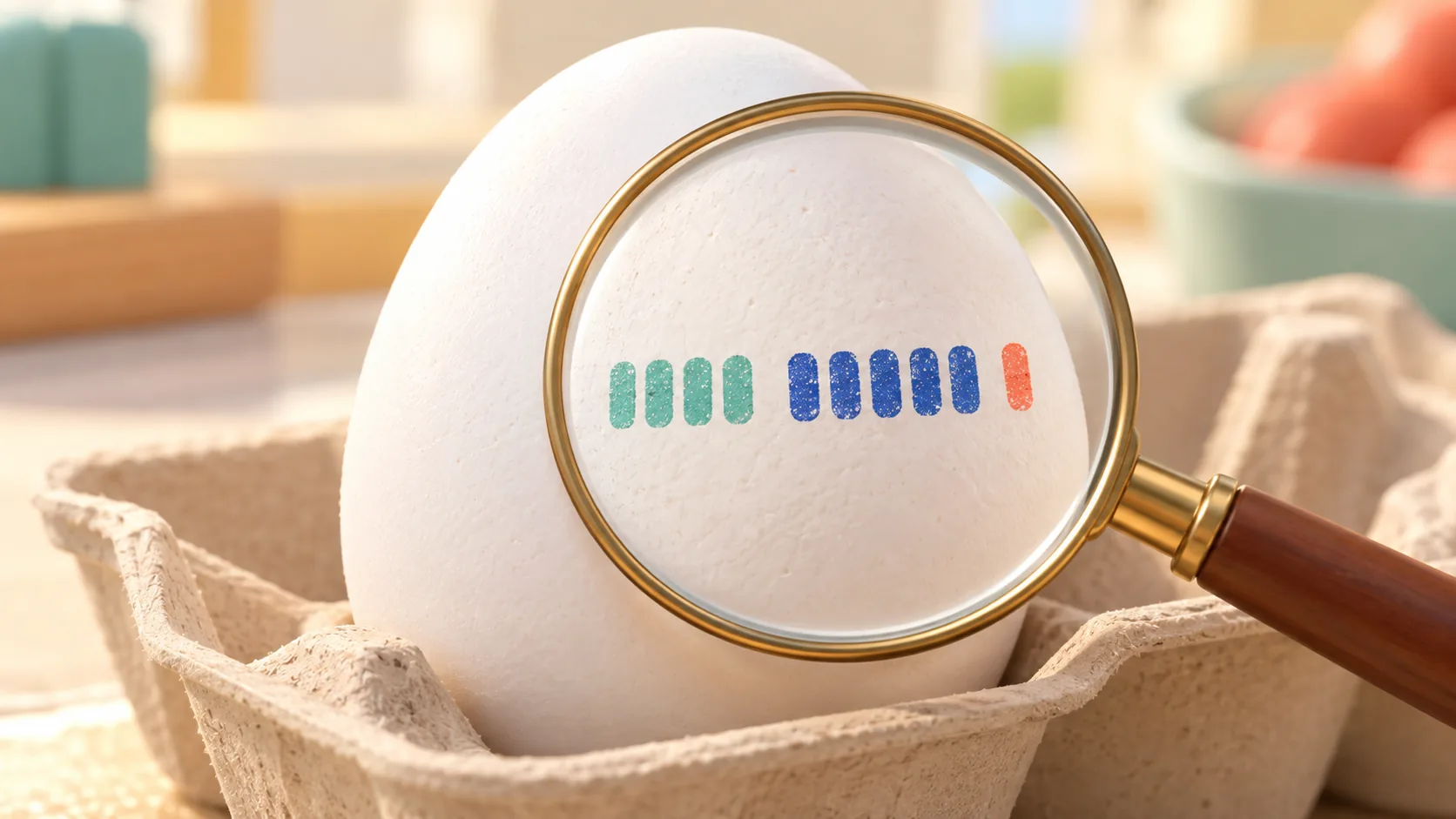
The 4-5-1 Code Printed on a Korean Eggshell
A domestic Korean egg’s shell stamp divides into laying date, farm ID, and rearing code. The last digit sometimes needs a package note.
Korean food beyond the tourist menu — what locals order and how.
A domestic Korean egg’s shell stamp divides into laying date, farm ID, and rearing code. The last digit sometimes needs a package note.
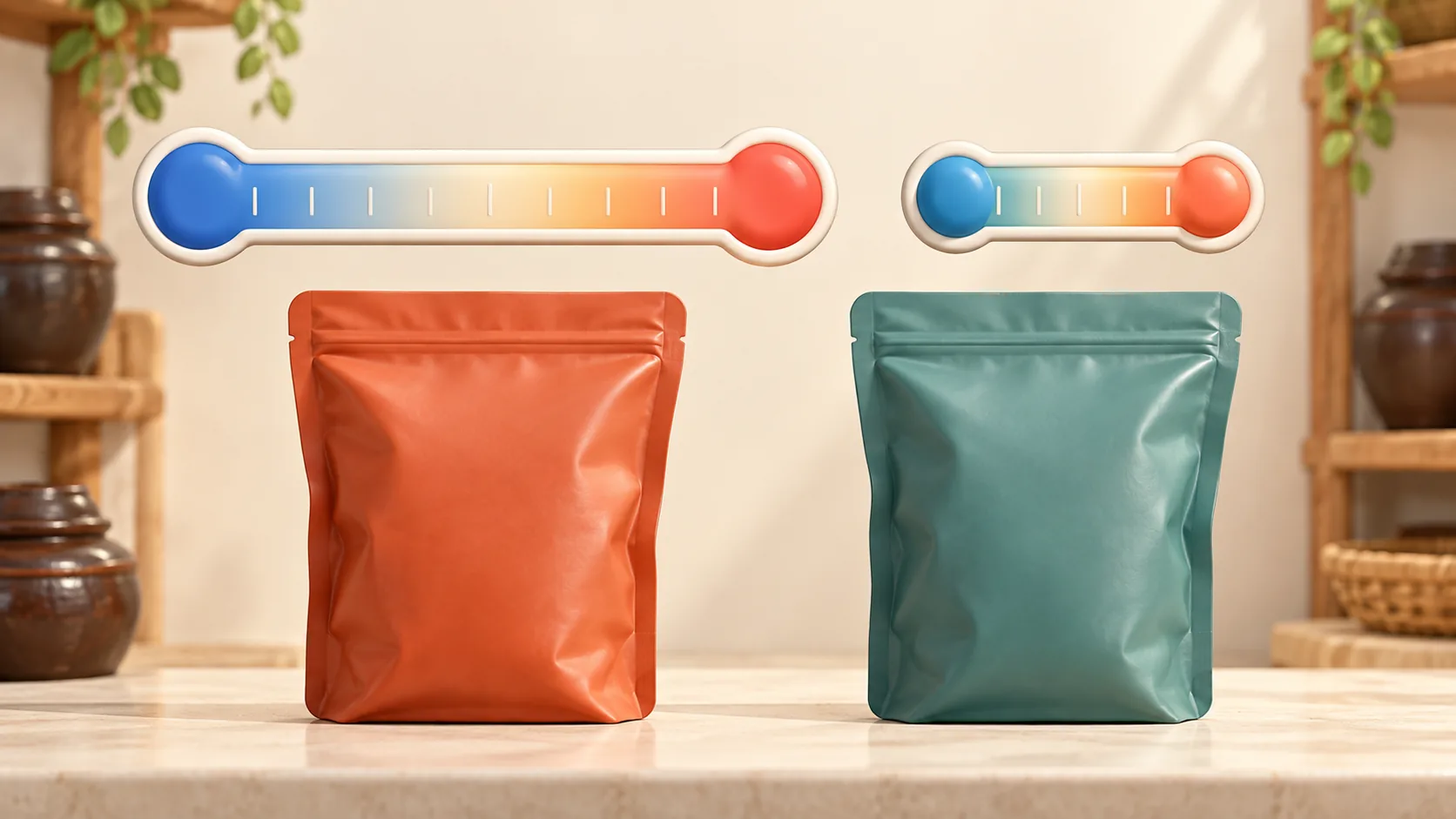
Food rules distinguish silon at 1 to 35°C from sangon at 15 to 25°C, a difference loose English translations can hide.
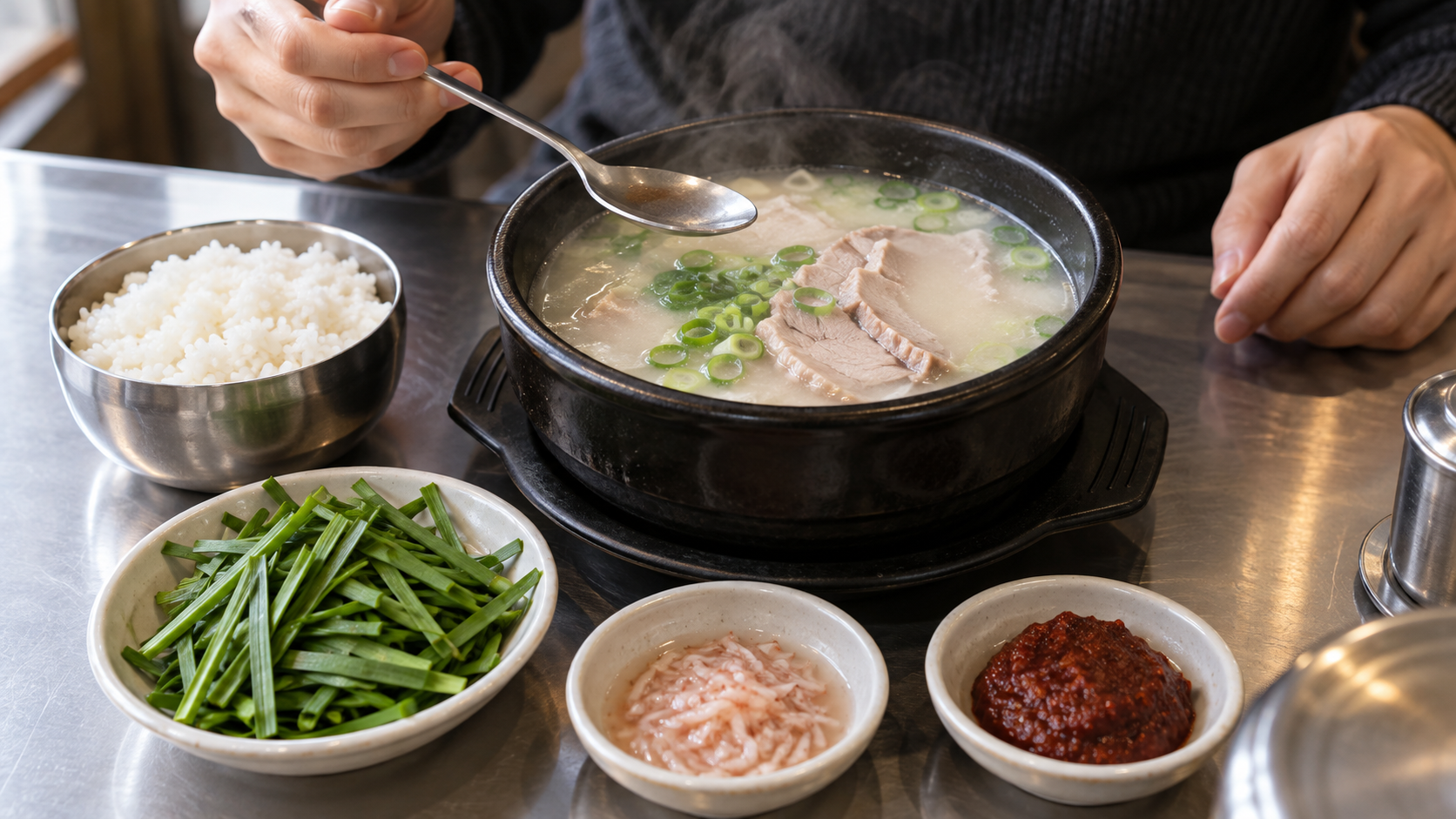
Busan pork-and-rice soup arrives mild on purpose. Chives, salted shrimp, and red seasoning are how each person finishes their own bowl.
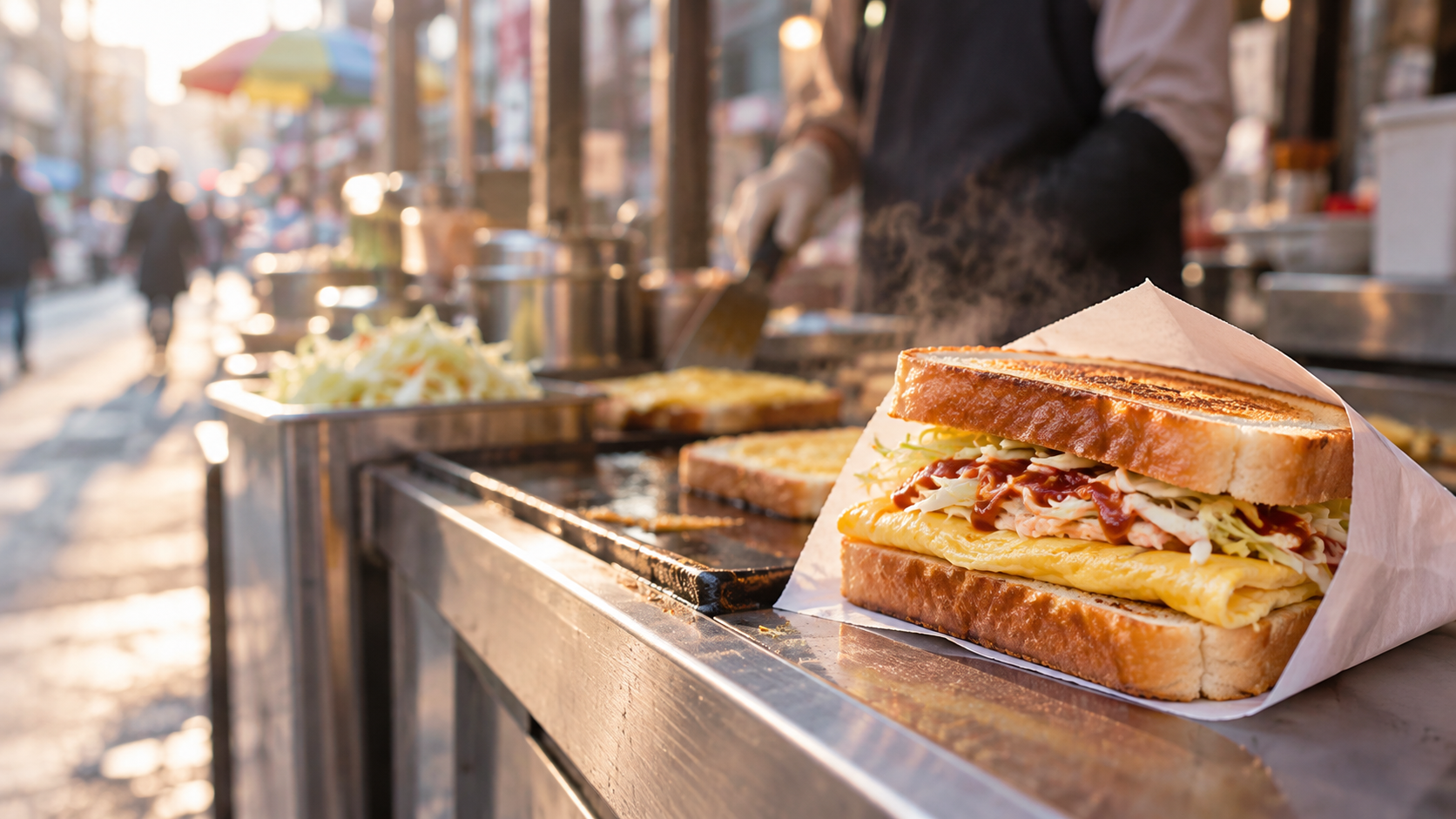
The sugar on Korean street toast isn’t a mistake. A chain with about 900 stores says its own sweet sauce is what sets its toast apart.
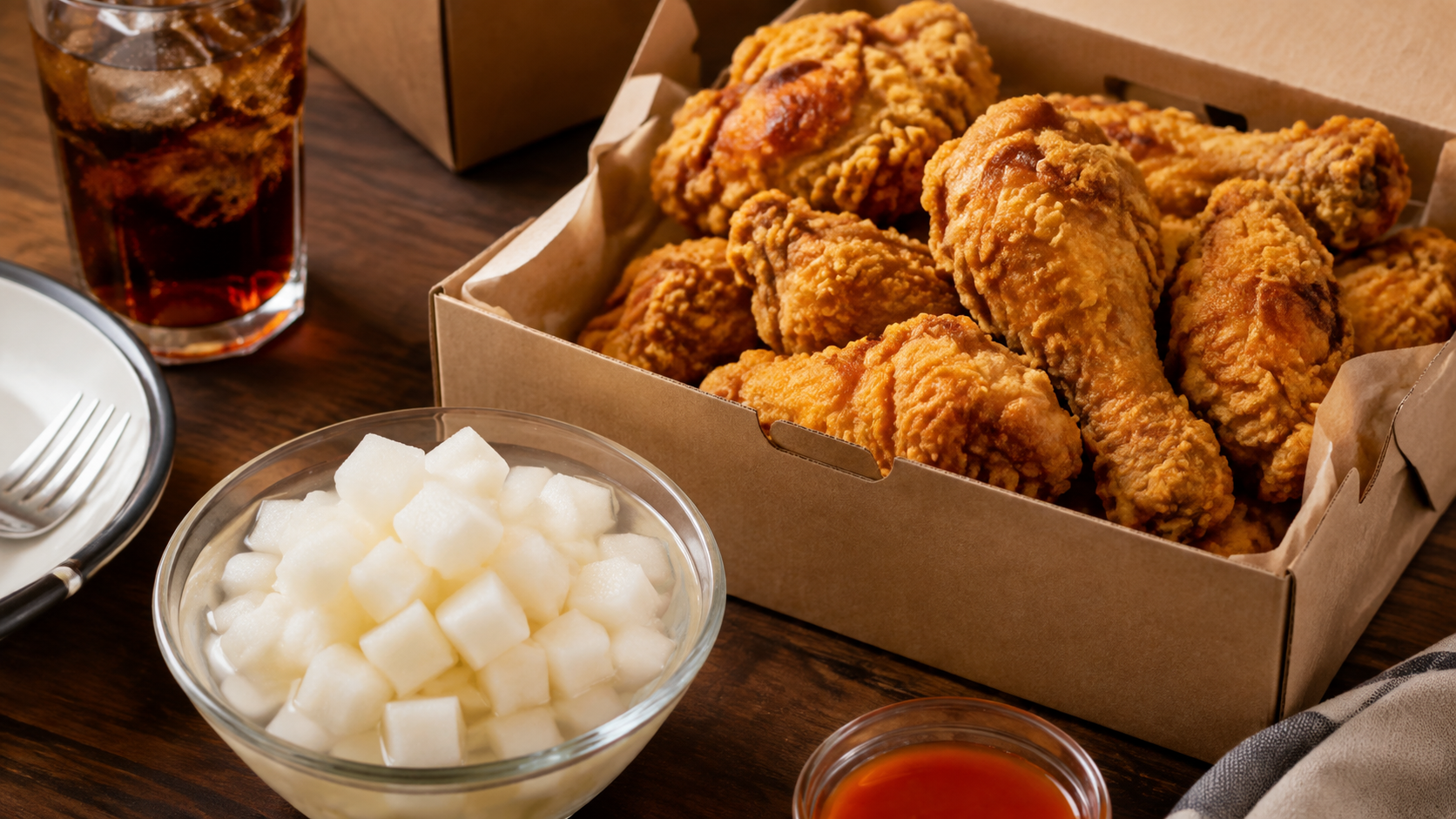
The white radish cubes with Korean fried chicken cost a shop about 300 won in 2018. Shops that start charging for them keep ending up in the news.
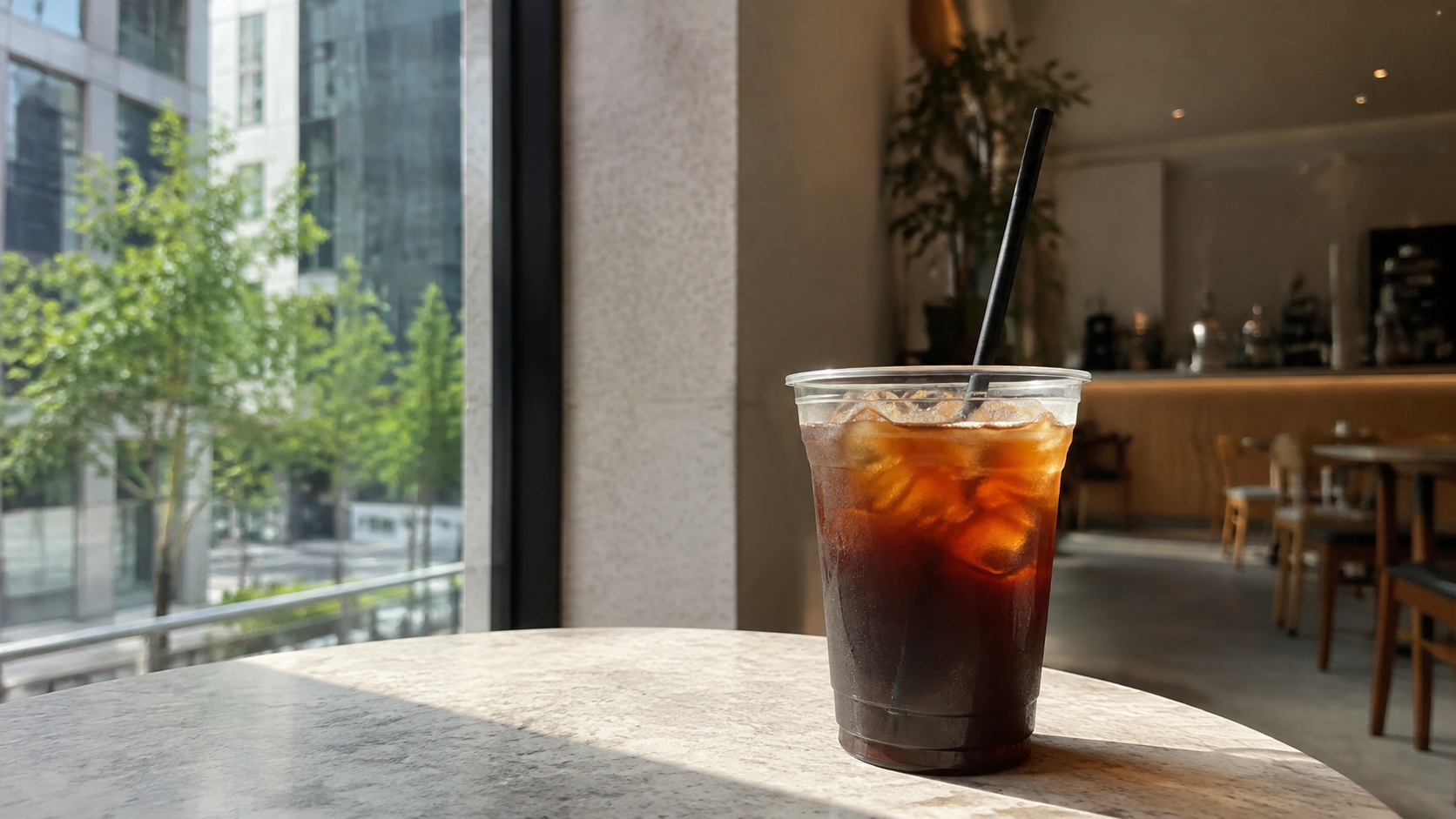
Korea has a word for the iced-in-January crowd and one for the hot-in-August crowd. Café sales data says the line between them runs through age.
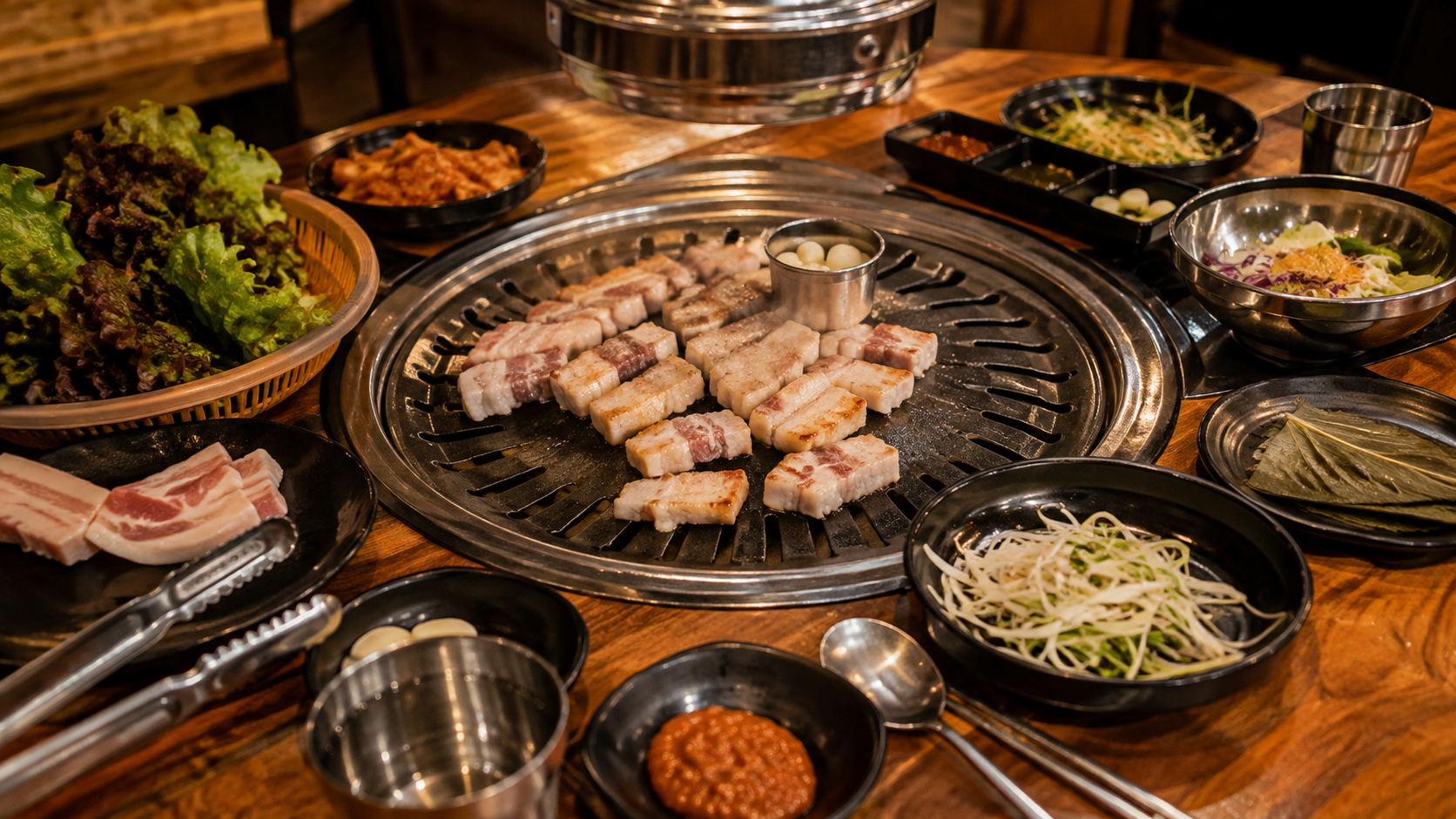
Grilling pork belly at the table spread in the 1980s with portable gas burners. The tongs are yours unless a restaurant pays someone to take them.
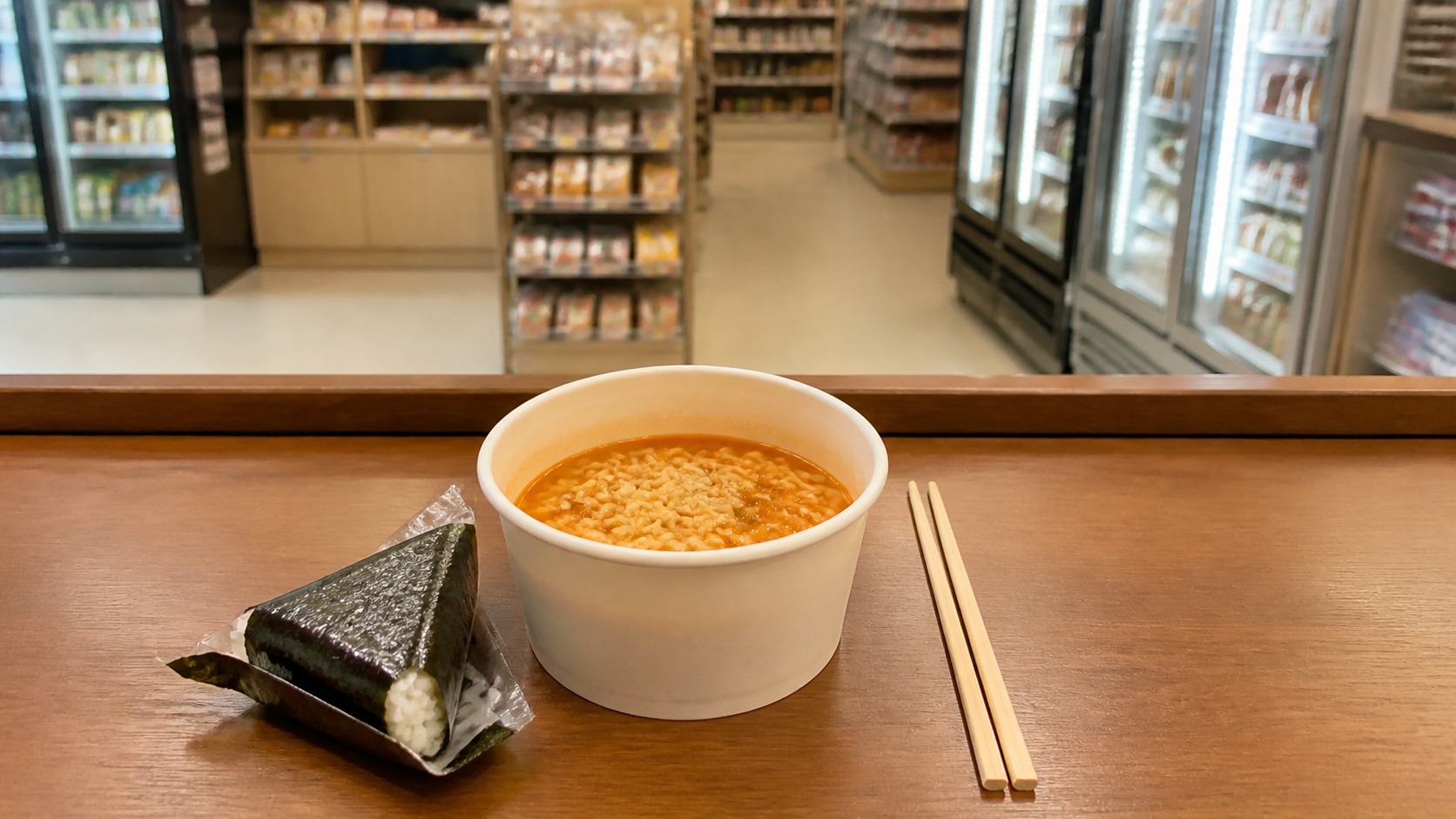
Rice triangles only took off in Korea around 2000, and opening one used to split the generations. That’s the half of the ramyeon dinner people skip.